How Other People Do It™: Different, Not Wrong — What Parenting Across Cultures Teaches Us About Love, Bias, and Belonging

A reflective guide that helps early childhood educators understand how parenting across cultures shapes bias, expectations, communication, and relationships with families.

how other people do it book cover


How Other People Do It: Different, Not Wrong —
What Parenting Across Cultures Teaches Us About Love, Bias, and Belonging

A reflective guide that helps early childhood educators understand how parenting across cultures shapes bias, expectations, communication, and relationships with families.

how other people do it book cover


How Other People Do It: Different, Not Wrong —
What Parenting Across Cultures Teaches Us About Love, Bias, and Belonging

A reflective guide that helps early childhood educators understand how parenting across cultures shapes bias, expectations, communication, and relationships with families.

Identify Biases

Understand Differences

Grow Relationships

Educators are expected to build strong relationships with families — but personal beliefs, cultural assumptions, and unconscious biases shape how they interpret parenting behaviors.

This book helps educators:

Educators are expected to build strong relationships with families — but personal beliefs, cultural assumptions, and unconscious biases shape how they interpret parenting behaviors.​

This book helps educators:

Hey! I'm Doc Holliday 👋🏼

I’ve spent my entire career sitting beside educators—sometimes literally, on tiny preschool chairs—helping them untangle the complex, beautiful, and often messy reality of working with young children and their families.

Whether I’m coaching teachers in center-based programs, supporting family child care providers, facilitating reflective supervision groups, or working with administrators to strengthen their teams, I see the same desire in every professional I meet:


Educators want to keep their implicit biases from showing up in the classroom and in their interactions with families.

  • They want to respond instead of react.
  • They want to build relationships rooted in respect, not assumptions.
  • They want children to experience care that is culturally attuned, developmentally informed, and bias-free.

But wanting this is different from having the tools to do it.


With a PhD in Infant & Early Childhood Development and an IMH-E® Endorsement in Infant Mental Health, my work has focused on coaching, mentoring, and training educators who serve infants, toddlers, and preschoolers.

I’ve supported programs across diverse communities, presented at national conferences, and trained professionals within statewide early childhood systems—always with the same goal: helping teachers shift from automatic judgment to intentional understanding.

I’ve supported professionals as they:

    • confront long-held assumptions about “good parenting,”

    • navigate cultural differences with confidence and compassion, and

    • strengthen relationships with families by understanding the beliefs that shape their work.

Again and again, I’ve seen how unexamined stories—the ones we inherit, absorb, or never question—quietly influence our expectations of families. And I’ve watched educators transform when they gain language, insight, and perspective to recognize those stories and choose differently.

Over time, I’ve witnessed countless “aha” moments—moments when an educator suddenly sees their work through a new lens:

  • when they connect a belief they’ve always held to the cultural story that shaped it,

  • when they realize why a certain child’s behavior triggers them but another child’s does not,

  • when they understand how deeply their own regulation affects the regulation of the children in front of them,

  • when they recognize how quickly labeling language can slip into conversation—and how powerfully it shapes perception,

  • when they discover that a family’s approach, which once felt confusing or frustrating, makes perfect sense in the context of that family’s culture, experiences, and values.

These are the breakthroughs that change classrooms.

These are the insights that change relationships with families.

That is why I wrote How Other People Do It: Different, Not Wrong.

Not as another theory-heavy textbook, and not as a parenting guide.

But as a professional reflection tool—a practical, honest, sometimes uncomfortable, but ultimately empowering resource for people who work with young children every day.

Through real stories, cross-cultural examples, bite-sized neuroscience, and guided reflection, I’ll walk you through the same process I’ve used with teachers, coaches, supervisors, and leaders across the country—a process designed to build insight, empathy, and confidence when working with families from all backgrounds.

The goal isn’t perfection.
It’s awareness.


And with awareness, educators can strengthen relationships, reduce conflict, and create programs where every family feels understood, respected, and valued.

How Other People Do It can be used individually or as a shared learning experience across teams. It works beautifully in coaching sessions, professional learning communities, study groups, and staff development days—where it sparks rich conversations and meaningful shifts in practice.


Your work with young children and families matters deeply.

This book will help you approach that work with clearer insight, steadier regulation, and a deeper understanding of the beliefs—your own and others’—that shape the early childhood experience.

⭐️ Doctor in Infant Mental Health
→ (my research!)

⭐️ 15+ years in the early childhood field

I’ve spent my entire career sitting beside educators—sometimes literally, on tiny preschool chairs—helping them untangle the complex, beautiful, and often messy reality of working with young children and their families.

Whether I’m coaching teachers in center-based programs, supporting family child care providers, facilitating reflective supervision groups, or working with administrators to strengthen their teams, I see the same desire in every professional I meet:


Educators want to keep their implicit biases from showing up in the classroom and in their interactions with families.

  • They want to respond instead of react.
  • They want to build relationships rooted in respect, not assumptions.
  • They want children to experience care that is culturally attuned, developmentally informed, and bias-free.


But wanting this is different from having the tools to do it.


With a PhD in Infant & Early Childhood Development and an IMH-E® Endorsement in Infant Mental Health, my work has focused on coaching, mentoring, and training educators who serve infants, toddlers, and preschoolers.

I’ve supported programs across diverse communities, presented at national conferences, and trained professionals within statewide early childhood systems—always with the same goal: helping teachers shift from automatic judgment to intentional understanding.

I’ve supported professionals as they:

    • confront long-held assumptions about “good parenting,”

    • navigate cultural differences with confidence and compassion, and

    • strengthen relationships with families by understanding the beliefs that shape their work.

Again and again, I’ve seen how unexamined stories—the ones we inherit, absorb, or never question—quietly influence our expectations of families. And I’ve watched educators transform when they gain language, insight, and perspective to recognize those stories and choose differently.

Over time, I’ve witnessed countless “aha” moments—moments when an educator suddenly sees their work through a new lens:

  • when they connect a belief they’ve always held to the cultural story that shaped it,

  • when they realize why a certain child’s behavior triggers them but another child’s does not,

  • when they understand how deeply their own regulation affects the regulation of the children in front of them,

  • when they recognize how quickly labeling language can slip into conversation—and how powerfully it shapes perception,

  • when they discover that a family’s approach, which once felt confusing or frustrating, makes perfect sense in the context of that family’s culture, experiences, and values.

These are the breakthroughs that change classrooms.

These are the insights that change relationships with families.

That is why I wrote How Other People Do It: Different, Not Wrong.

Not as another theory-heavy textbook, and not as a parenting guide.

But as a professional reflection tool—a practical, honest, sometimes uncomfortable, but ultimately empowering resource for people who work with young children every day.

Through real stories, cross-cultural examples, bite-sized neuroscience, and guided reflection, I’ll walk you through the same process I’ve used with teachers, coaches, supervisors, and leaders across the country—a process designed to build insight, empathy, and confidence when working with families from all backgrounds.

The goal isn’t perfection.
It’s awareness.


And with awareness, educators can strengthen relationships, reduce conflict, and create programs where every family feels understood, respected, and valued.

How Other People Do It can be used individually or as a shared learning experience across teams. It works beautifully in coaching sessions, professional learning communities, study groups, and staff development days—where it sparks rich conversations and meaningful shifts in practice.


Your work with young children and families matters deeply.

This book will help you approach that work with clearer insight, steadier regulation, and a deeper understanding of the beliefs—your own and others’—that shape the early childhood experience.
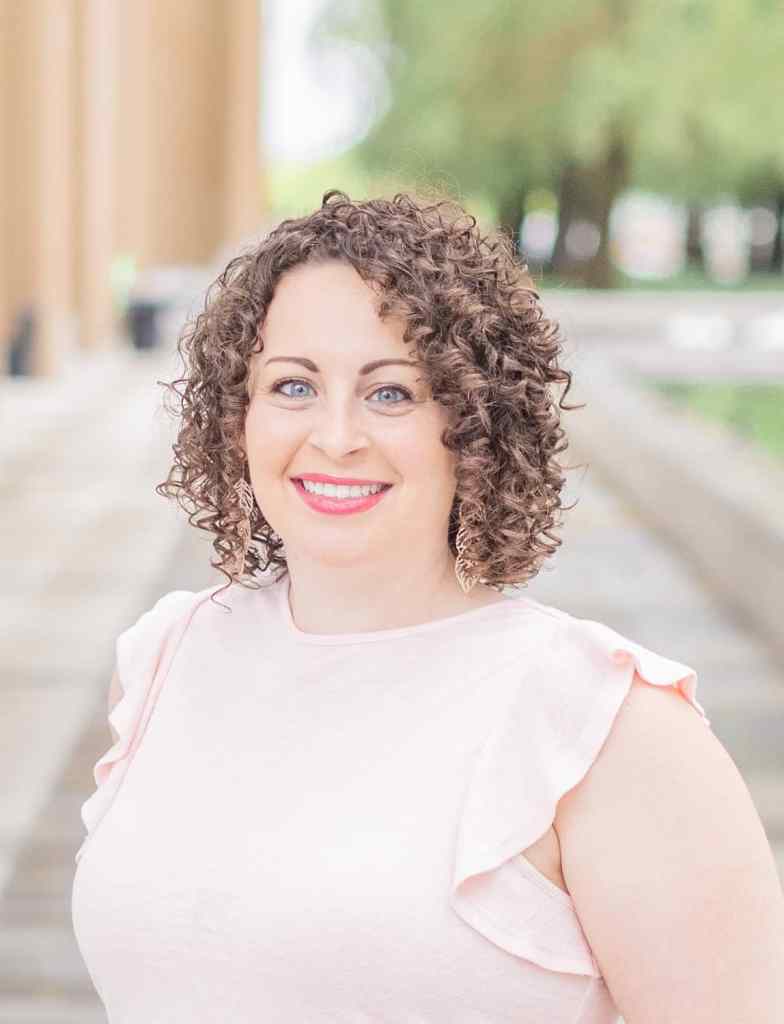
Amanda Headshot - Vertical

Hey! I’m Doc Holliday 👋🏼​

⭐️ Doctor in Infant Mental Health
→ (my research!)

⭐️ 15+ years in the early childhood field

Amanda Headshot - Vertical

Hey! I’m Doc Holliday 👋🏼​

⭐️ Doctor in Infant Mental Health
→ (my research!)

⭐️ 15+ years in the early childhood field

I’ve spent my entire career sitting beside educators—sometimes literally, on tiny preschool chairs—helping them untangle the complex, beautiful, and often messy reality of working with young children and their families.

Whether I’m coaching teachers in center-based programs, supporting family child care providers, facilitating reflective supervision groups, or working with administrators to strengthen their teams, I see the same desire in every professional I meet:


Educators want to keep their implicit biases from showing up in the classroom and in their interactions with families.

  • They want to respond instead of react.
  • They want to build relationships rooted in respect, not assumptions.
  • They want children to experience care that is culturally attuned, developmentally informed, and bias-free.

But wanting this is different from having the tools to do it.


With a PhD in Infant & Early Childhood Development and an IMH-E® Endorsement in Infant Mental Health, my work has focused on coaching, mentoring, and training educators who serve infants, toddlers, and preschoolers.

I’ve supported programs across diverse communities, presented at national conferences, and trained professionals within statewide early childhood systems—always with the same goal: helping teachers shift from automatic judgment to intentional understanding.

I’ve supported professionals as they:

    • confront long-held assumptions about “good parenting,”

    • navigate cultural differences with confidence and compassion, and

    • strengthen relationships with families by understanding the beliefs that shape their work.

Again and again, I’ve seen how unexamined stories—the ones we inherit, absorb, or never question—quietly influence our expectations of families. And I’ve watched educators transform when they gain language, insight, and perspective to recognize those stories and choose differently.

Over time, I’ve witnessed countless “aha” moments—moments when an educator suddenly sees their work through a new lens:

  • when they connect a belief they’ve always held to the cultural story that shaped it,

  • when they realize why a certain child’s behavior triggers them but another child’s does not,

  • when they understand how deeply their own regulation affects the regulation of the children in front of them,

  • when they recognize how quickly labeling language can slip into conversation—and how powerfully it shapes perception,

  • when they discover that a family’s approach, which once felt confusing or frustrating, makes perfect sense in the context of that family’s culture, experiences, and values.

These are the breakthroughs that change classrooms.

These are the insights that change relationships with families.

That is why I wrote How Other People Do It: Different, Not Wrong.

Not as another theory-heavy textbook, and not as a parenting guide.

But as a professional reflection tool—a practical, honest, sometimes uncomfortable, but ultimately empowering resource for people who work with young children every day.

Through real stories, cross-cultural examples, bite-sized neuroscience, and guided reflection, I’ll walk you through the same process I’ve used with teachers, coaches, supervisors, and leaders across the country—a process designed to build insight, empathy, and confidence when working with families from all backgrounds.

The goal isn’t perfection.
It’s awareness.


And with awareness, educators can strengthen relationships, reduce conflict, and create programs where every family feels understood, respected, and valued.

How Other People Do It can be used individually or as a shared learning experience across teams. It works beautifully in coaching sessions, professional learning communities, study groups, and staff development days—where it sparks rich conversations and meaningful shifts in practice.


Your work with young children and families matters deeply.

This book will help you approach that work with clearer insight, steadier regulation, and a deeper understanding of the beliefs—your own and others’—that shape the early childhood experience.
Who Is This Book For?

  • Early childhood educators

  • Preschool teachers

  • Infant-toddler teachers

  • Childcare providers

  • Home visitors

  • Social workers

  • Therapists working with families

  • Program administrators

  • College ECE students

If you work with children, you work with families.

And if you work with families, this book will change the way you see everything!

Who Is This Book For?

  • Early childhood educators

  • Preschool teachers

  • Infant-toddler teachers

  • Childcare providers

  • Home visitors

  • Social workers

  • Therapists working with families

  • Program administrators

  • College ECE students

If you work with children, you work with families.

And if you work with families, this book will change the way you see everything!

If you work with children, you work with families.

And if you work with families, this book will change the way you see everything!

© Doctor Teacher Mommy 2025